
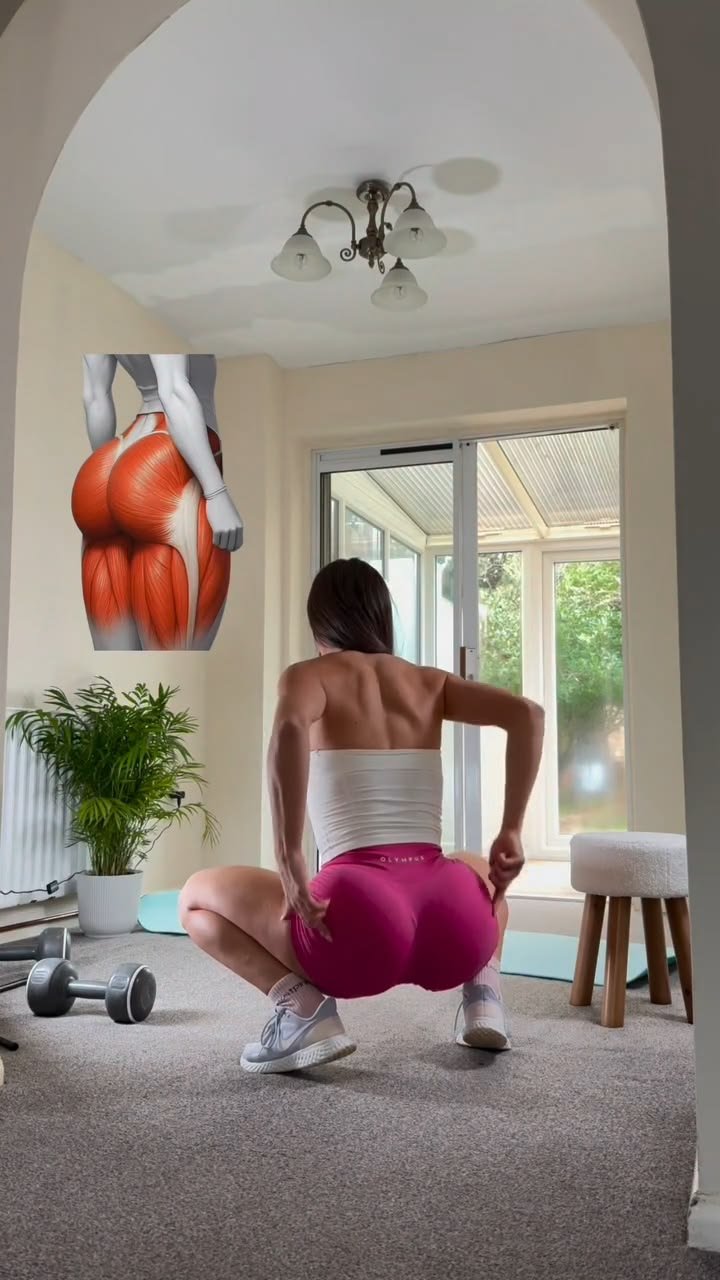
If you want a stronger, more defined lower body, a well-rounded glute workout is one of the most effective tools you can add to your routine. Your glutes are some of the largest and most powerful muscles in your body, and they play a key role in hip movement, posture, and overall lower-body strength.
In this guide, you’ll find 12 effective exercises that target the glutes from multiple angles. We’ll cover a full workout routine with sets, reps, and rest periods, plus beginner modifications, ways to progress, and common mistakes to avoid. Whether you train at home or in a gym, you can adapt this glute workout to your equipment and experience level.
These exercises focus on strengthening and shaping your glutes through resistance training. For the best long-term results, pair your training with consistent nutrition, adequate sleep, and overall physical activity — no single exercise works in isolation.
Why Focus on Glute Training?

Training your glutes is about more than appearance. Strong glutes support everyday movements like walking, running, climbing stairs, and lifting objects from the ground. They also assist with hip stability and can support better posture during standing and movement.
Many people spend hours sitting, which can leave the glutes underactive over time. A consistent glute workout can help wake up these muscles and encourage them to work more effectively during other forms of training, including squats, deadlifts, and running.
If your goal is a glute-focused routine, it helps to train the glutes with a mix of hip extension (like hip thrusts), hip abduction (like side-lying leg raises), and multi-joint movements (like squats and lunges). Combining these patterns gives you well-rounded development.
The 12 Best Glute Exercises
The following exercises form the base of a complete glute workout. You can use them as a full session or select a few to build a shorter routine. Each targets the glutes while involving supporting muscles like the hamstrings, quads, and core.
1. Barbell or Dumbbell Hip Thrust
Sit with your upper back against a bench, feet flat on the floor, knees bent. Place a barbell or dumbbell across your hips. Drive through your heels and squeeze your glutes to lift your hips until your body is roughly parallel to the floor. Lower with control. Keep your chin slightly tucked and avoid arching your lower back.
2. Romanian Deadlift
Hold a barbell or dumbbells in front of your thighs. With a slight bend in your knees, hinge at the hips and lower the weight along your legs until you feel a stretch in your hamstrings. Push your hips forward to return to standing. Keep your back flat throughout and avoid rounding your spine.
3. Bulgarian Split Squat
Stand a step or two in front of a bench and place one foot behind you on the bench. Lower your body by bending your front knee until your thigh is close to parallel to the floor. Push through your front heel to return to the start. Keep your torso slightly forward to emphasize the glutes.
4. Glute Bridge
Lie on your back with knees bent and feet flat on the floor. Press through your heels and lift your hips until your body forms a straight line from shoulders to knees. Squeeze your glutes at the top, then lower slowly. This is a great home-friendly glute exercise with no equipment needed.
5. Walking Lunge
Step forward with one leg and lower your body until both knees are bent at roughly 90 degrees. Push through your front heel to step forward into the next lunge. Keep your torso upright and take controlled steps. Alternating legs adds a balance challenge.
6. Cable or Band Kickback
Attach a cable or resistance band to your ankle. Standing tall, extend your leg behind you, squeezing the glute at the top of the movement. Return with control. Avoid swinging your leg or arching your lower back.
7. Sumo Squat
Stand with feet wider than shoulder-width, toes turned slightly out. Lower your hips until your thighs are near parallel to the floor, then push back up through your heels. The wider stance shifts more emphasis to the glutes and inner thighs.
8. Step-Up
Stand facing a box or sturdy bench. Place one foot on the surface and drive through that heel to step up. Step back down with control. Choose a height you can manage without excessive forward leaning or momentum.
9. Side-Lying Hip Abduction
Lie on your side with legs stacked. Keeping your top leg straight, lift it upward, then lower slowly. Keep your hips square and avoid rolling backward. This exercise targets the glute medius, which supports hip stability.
10. Frog Pump
Lie on your back with the soles of your feet together and knees dropped out to the sides. Press through your feet and lift your hips, squeezing the glutes at the top. This variation emphasizes the upper glutes and is beginner-friendly.
11. Single-Leg Glute Bridge
Set up like a standard glute bridge, but extend one leg straight. Press through the heel of your planted foot to lift your hips. Keep your pelvis level to avoid twisting. This increases the challenge on one side at a time.
12. Curtsy Lunge
Stand with feet hip-width apart. Step one leg diagonally behind the other, lowering into a lunge. Push back to standing and repeat on the other side. The diagonal step targets the glutes from a different angle than a standard lunge.
Complete Glute Workout Routine

Here’s how to put these exercises together into a full session. Aim to complete this routine 2–3 times per week with at least one rest day between sessions. Warm up for 5–10 minutes with light cardio and dynamic stretches before starting.
| Exercise | Sets | Reps/Time | Rest |
|---|---|---|---|
| Hip Thrust | 3 | 8–12 reps | 60–90 sec |
| Romanian Deadlift | 3 | 8–10 reps | 60–90 sec |
| Bulgarian Split Squat | 3 | 8–10 per leg | 60 sec |
| Glute Bridge | 3 | 12–15 reps | 45–60 sec |
| Walking Lunge | 3 | 10 per leg | 60 sec |
| Side-Lying Hip Abduction | 2 | 12–15 per side | 30–45 sec |
| Frog Pump | 2 | 15 reps | 45 sec |
If you’re short on time, choose 4–5 exercises and perform them in a circuit with minimal rest between movements. Rest 60–90 seconds between rounds.
Beginner Modifications
You don’t need to jump straight into heavy weights or advanced variations. Start with movements you can control and build from there.
- Bodyweight glute bridge instead of hip thrust with added weight.
- Assisted squats holding onto a chair or doorframe for balance.
- Partial range of motion on lunges and split squats until your stability improves.
- Resistance bands instead of cables or barbells for kickbacks and abductions.
- Fewer sets and reps in the first few weeks — for example, 2 sets of 8 reps per exercise.
Using modifications is not a sign of weakness. It’s a smart way to build a foundation before increasing difficulty, and it helps reduce the risk of poor form or strain.
How to Progress Your Glute Workout
Progress gradually over weeks and months rather than trying to do everything at once. Consider these progression methods:
- Add resistance using weights, bands, or a barbell.
- Increase repetitions slightly once you can complete all sets with good form.
- Add a set to one or two key exercises per week.
- Slow the tempo, especially on the lowering phase, to increase time under tension.
- Move to a harder variation, such as switching from a two-leg bridge to a single-leg bridge.
- Reduce rest time gradually if your form stays solid.
Pay attention to how your body feels. If you’re consistently sore or fatigued, give yourself more recovery time. Muscle growth and strength come from training plus recovery, not from training alone.
Common Mistakes to Avoid
- Using too much weight too soon. Prioritize form and full range of motion first.
- Arching the lower back during hip thrusts or bridges. Let the glutes do the lifting, not your spine.
- Rushing through reps. Slow, controlled movements typically work the muscles more effectively.
- Skipping the warm-up. A proper warm-up prepares your hips and knees for loading.
- Ignoring the glute medius. Abduction exercises like hip abductions and curtsy lunges balance things out.
- Training glutes every day. Muscles need rest to recover and adapt, so keep at least one rest day between sessions.
Tips for Better Results
- Feel the muscle working. Focus on squeezing the glutes at the top of each rep rather than just moving the weight.
- Prioritize protein. A balanced diet with adequate protein supports muscle repair and growth.
- Stay consistent. Aim for 2–3 glute sessions per week over months, not just days.
- Track your progress. Note your weights and reps so you can see where you’re improving.
- Use a full range of motion. Partial reps may feel easier, but full movements typically build more strength.
- Sleep well. Recovery happens largely during rest, and sleep supports training performance.
- Combine with other training. Pair this workout with a lower-body routine, core work, or HIIT to support overall fitness.
Frequently Asked Questions
How often should I do a glute workout?
Two to three sessions per week is a practical starting point for most people. This allows enough recovery between sessions. If you’re new to training or feeling very sore, start with two sessions and gradually build up as your body adapts.
Can beginners do this glute workout?
Yes. Beginners can use the modifications listed above — bodyweight versions, fewer reps, and resistance bands instead of heavy weights. Focus on learning the movement patterns first, then add resistance gradually once your form feels solid and controlled.
Do I need a gym for glute training?
No. Exercises like glute bridges, frog pumps, side-lying hip abductions, and bodyweight lunges work well at home. Resistance bands and a single dumbbell can expand your options without needing a full gym setup.
How long does this workout take?
The full routine takes roughly 40–50 minutes, including warm-up and rest periods. A shortened 4–5 exercise version can fit into 20–25 minutes if you use a circuit format with less rest between exercises.
Will this workout make my glutes grow?
Resistance training can help strengthen and develop the glutes over time, but results vary between individuals. Genetics, nutrition, sleep, training consistency, and overall activity all play a role. Focus on progressive training and consistent habits rather than quick fixes.
Can I do glute exercises every day?
Daily training of the same muscles isn’t usually recommended. Muscles need recovery to adapt to training stress. Two to three glute sessions per week, with rest days between, is a balanced approach for most people.
How do I know if I’m using the right form?
A good sign is feeling the work in your glutes rather than only in your lower back or knees. If you feel pinching or sharp pain, stop and reconsider your setup. Filming a set or using a mirror can help you check your alignment.
Conclusion
A consistent glute workout built around hip thrusts, hinges, lunges, and abduction movements can help you build strength, improve hip stability, and support your overall fitness. Start with the exercises and reps that suit your current level, use modifications when needed, and progress gradually over time.
Remember that real progress comes from showing up regularly, training with controlled form, and supporting your efforts with good nutrition and recovery. No single workout transforms your body overnight, but steady, consistent training adds up.
For more workout ideas, including beginner leg workouts, glute-focused routines, and at-home HIIT sessions, explore the full library of guides on workout.serile.com. Pick a routine, set a schedule, and give your body the time it needs to adapt.