
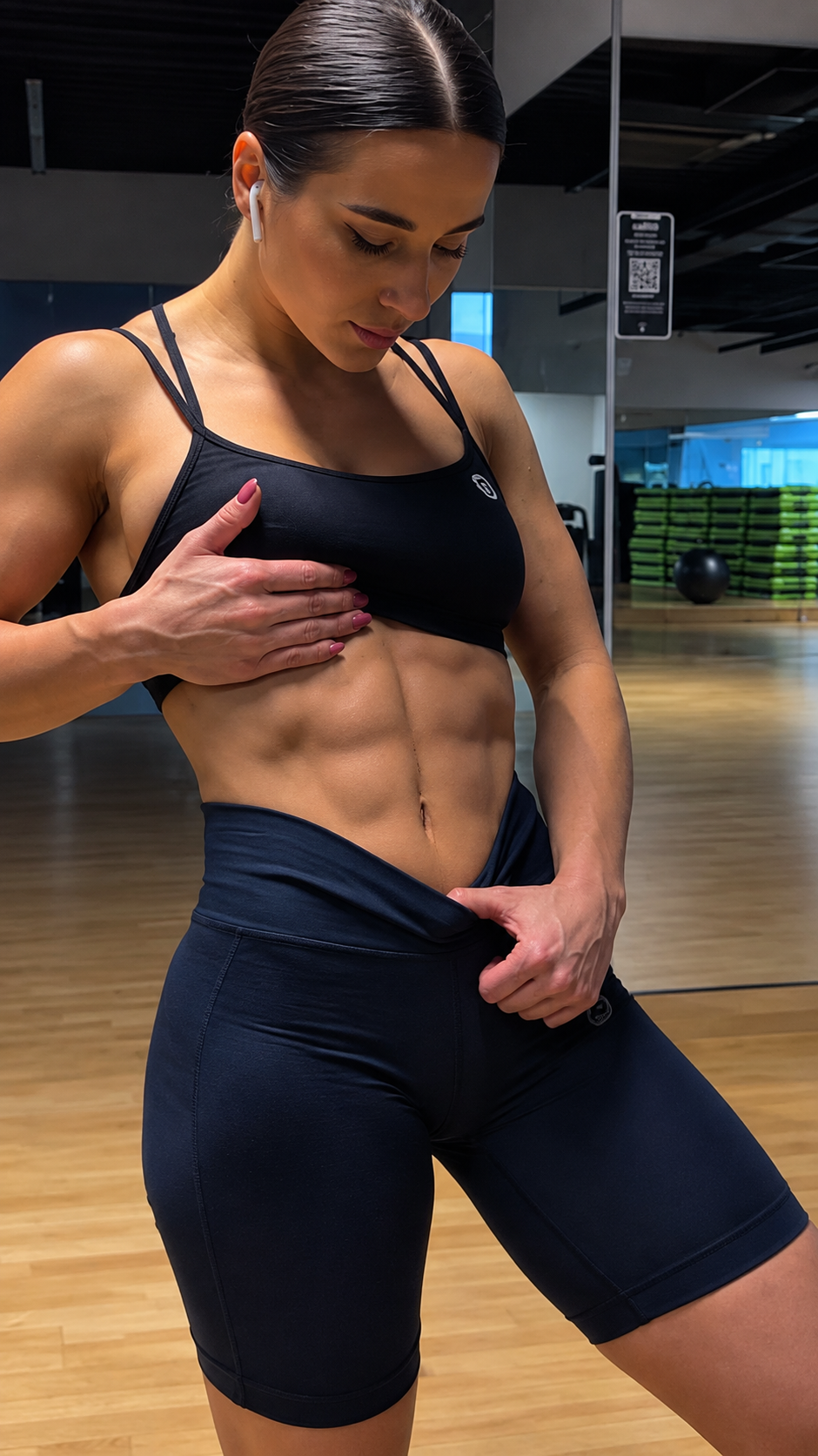
A strong, stable core is the foundation of almost everything you do in the gym and in daily life. This 15-minute abs workout is designed to help you train your midsection efficiently using ten effective core exercises you can do at home or in the gym. Whether you’re a beginner looking for a simple starting point or an experienced lifter who wants a quick, focused finisher, this routine fits into a busy schedule without overcomplicating things.
You don’t need fancy equipment or an hour of free time to train your core well. What you need is a clear plan, consistent effort, and attention to form. In this article, you’ll get a complete 15-minute ab routine, step-by-step exercise instructions, beginner modifications, ways to progress over time, common mistakes to avoid, and answers to the questions people ask most about core training.
What This 15-Minute Abs Workout Targets
Before jumping into the exercises, it helps to understand what you’re actually training. The “abs” are part of a larger group of muscles often called the core. This workout targets several of them:
- Rectus abdominis — the front abdominal muscle commonly associated with a “six-pack” look.
- Obliques — the muscles along the sides of your torso that help with rotation and bending.
- Transverse abdominis — a deep muscle that helps stabilize your spine and pelvis.
- Hip flexors and lower back — supporting muscles that assist many core movements.
It’s important to be clear about one thing: doing ab exercises strengthens your core muscles, but it does not selectively burn fat from your belly. Visible abdominal definition is influenced by overall body composition, which depends on factors such as nutrition, total physical activity, energy balance, genetics, sleep, and stress. Think of this workout as a way to build strength and stability, not as a shortcut to spot reduction.
The 15-Minute Abs Workout Routine
This routine uses a straightforward structure: perform each exercise for the prescribed reps or time, rest briefly, and move to the next. You’ll complete the list once, then repeat it for a second round if you have the time and energy. One full round typically takes around 7–8 minutes.
| Exercise | Sets | Reps / Time | Rest |
|---|---|---|---|
| Dead Bug | 2 | 8–10 per side | 20 sec |
| Forearm Plank | 2 | 30–45 sec | 30 sec |
| Bicycle Crunch | 2 | 12–15 per side | 30 sec |
| Reverse Crunch | 2 | 10–12 | 30 sec |
| Russian Twist | 2 | 12–15 per side | 30 sec |
| Mountain Climbers | 2 | 30 sec | 30 sec |
| Bird Dog | 2 | 8–10 per side | 20 sec |
| Leg Raise | 2 | 10–12 | 30 sec |
| Side Plank | 2 | 20–30 sec per side | 20 sec |
| Hollow Body Hold | 2 | 20–30 sec | 30 sec |
If you’re short on time, complete each exercise once. If you have more time and want an extra challenge, go through the list a second time after a 60-second break.
How to Perform Each Exercise
1. Dead Bug
Lie on your back with arms extended toward the ceiling and knees bent at 90 degrees over your hips. Press your lower back gently into the floor. Slowly extend your right arm overhead and your left leg forward without letting your back arch. Return to the start and switch sides. This is one of the best warm-up movements for teaching core bracing.
2. Forearm Plank
Place your forearms on the floor with elbows under your shoulders. Extend your legs behind you and lift your hips so your body forms a straight line from head to heels. Squeeze your glutes and brace your abs as if bracing for a light punch. Avoid letting your hips sag or pike upward.
3. Bicycle Crunch
Lie on your back with hands lightly behind your head and legs lifted. Bring your right elbow toward your left knee while extending your right leg. Alternate sides in a smooth, controlled rhythm. Avoid pulling on your neck — the movement should come from your core, not your hands.
4. Reverse Crunch
Lie on your back with arms by your sides and knees bent. Use your lower abs to lift your hips off the floor, bringing your knees toward your chest. Lower slowly without letting your feet touch the ground between reps.
5. Russian Twist
Sit with knees bent, feet flat or lifted, and lean back slightly while keeping your spine long. Rotate your torso side to side, tapping your hands near each hip. For more challenge, hold a light weight or water bottle.
6. Mountain Climbers
Start in a high plank position. Drive one knee toward your chest, then switch legs quickly while keeping your hips level and core braced. Move at a pace you can control — speed means nothing if your form falls apart.
7. Bird Dog
From all fours, extend your right arm forward and your left leg back at the same time. Keep your hips square and pause briefly before returning. This exercise builds stability and helps balance out all the crunching movements.
8. Leg Raise
Lie flat with legs straight and hands under your hips for support. Lift both legs to about 90 degrees, then lower slowly without letting your lower back arch off the floor. If your back starts to lift, reduce your range of motion.
9. Side Plank
Lie on your side with your forearm on the floor beneath your shoulder. Lift your hips so your body forms a straight line, and hold. Keep your neck neutral and your top hand on your hip or extended upward.
10. Hollow Body Hold
Lie on your back and lift your shoulders and legs off the floor, arms extended overhead. Keep your lower back pressed down and hold the position. This is a challenging static move — bend your knees or keep your arms by your sides if needed.
Beginner Modifications
If you’re new to core training, using modifications is smart, not a sign of weakness. Here are simple ways to make this workout more accessible:
- Forearm Plank: Perform on your knees, or hold for shorter intervals like 15–20 seconds.
- Bicycle Crunch: Slow down and keep your feet closer to the floor instead of fully extended.
- Reverse Crunch: Reduce the range of motion and focus on tilting your pelvis rather than lifting your hips high.
- Mountain Climbers: Perform slow, deliberate knee drives from a stable plank instead of a fast pace.
- Side Plank: Drop your bottom knee to the floor for support.
- Leg Raise: Perform single-leg raises, alternating legs, to reduce the load on your lower back.
- Hollow Body Hold: Bend your knees and keep your arms by your sides.
Reduce reps or hold times wherever you need. The goal is to build control, not to survive the routine.
How to Progress Over Time
Once the basic version feels manageable, you can make this 15-minute abs workout more challenging without adding much time. Good ways to progress include:
- Increase reps or hold times gradually — for example, adding 5 seconds to each plank hold every week or two.
- Add a second round of the full circuit.
- Slow down the tempo to increase time under tension, especially on crunches and leg raises.
- Use light resistance such as a dumbbell or ankle weights for Russian twists and leg raises.
- Move to harder variations, such as a weighted plank, hanging knee raise, or extended hollow hold.
Progress gradually. Doing too much too soon often leads to sloppy form and unnecessary strain, especially in the lower back.
Tips for Getting the Most From This Workout
- Brace before every rep. Gently draw your belly button toward your spine and keep your ribs down. This protects your lower back and makes each movement more effective.
- Breathe steadily. Exhale during the effort and inhale as you return. Holding your breath raises blood pressure and can make you dizzy.
- Slow down. Controlled reps beat fast, sloppy ones every time. If you can’t feel the target muscles, reduce your speed.
- Train your core 2–4 times per week. Like any muscle group, your abs need recovery. Rest days matter as much as training days.
- Pair this with full-body training. Core work supports lifts like squats and deadlifts, but it shouldn’t replace a well-rounded strength routine.
- Don’t neglect nutrition and sleep. Visible abs are built in the gym and supported by consistent habits outside it — there’s no way around that.
- Warm up first. A few minutes of light cardio or dynamic stretching before this routine helps you move better and reduces injury risk.
Common Mistakes to Avoid
- Pulling on your neck during crunches or bicycle movements. Keep your hands light behind your head.
- Letting your lower back arch during leg raises or hollow holds. Reduce your range of motion if this happens.
- Rushing through reps. Speed usually means momentum is doing the work instead of your muscles.
- Skipping recovery. Training abs every single day can lead to fatigue and poorer performance.
- Doing only one type of movement. Balance flexion movements like crunches with anti-rotation and stability work like bird dogs and side planks.
- Ignoring form to chase reps. Clean reps at lower numbers are far more valuable than sloppy ones at high numbers.
If you feel sharp or unusual pain during any exercise, stop and consider speaking with a qualified professional before continuing.
Frequently Asked Questions
How often should I do this 15-minute abs workout?
Two to four times per week is plenty for most people. Your core muscles need time to recover between sessions, just like any other muscle group. If you’re also doing compound lifts like squats, deadlifts, or overhead presses, those already train your core, so adjust frequency accordingly.
Can beginners do this routine?
Absolutely. Use the beginner modifications listed above, reduce reps or hold times, and focus on control rather than intensity. Even a shorter version of the routine — one round with reduced reps — can be effective while you build strength.
Do I need any equipment?
No. This entire workout is bodyweight-only, which makes it ideal for home training. If you want to increase difficulty later, a light dumbbell or water bottle can be used for Russian twists and leg raises.
How long does one round take?
One full round of the ten exercises usually takes about 7–8 minutes, depending on rest. Completing two rounds brings you to roughly 15 minutes, which is where the workout name comes from.
Will this workout give me visible abs?
It will strengthen your core, but visible definition depends on overall body composition. That’s influenced by nutrition, total activity, genetics, sleep, and other factors. This routine is a useful piece of the puzzle, not a standalone solution.
What if a certain exercise feels uncomfortable?
Swap it out. Any movement in this list can be replaced with a variation that suits your body better — for example, replace leg raises with reverse crunches or swap mountain climbers for a slow plank. Listen to your body and prioritize controlled, pain-free movement.
Conclusion
This 15-minute abs workout gives you ten effective core exercises that build strength, stability, and control without eating into your entire day. Whether you’re training at home, at the gym, or squeezing in a session between meetings, the routine is simple to follow, easy to modify, and straightforward to progress. Focus on quality reps, brace before every movement, and give your core the recovery it needs between sessions.
If you enjoyed this workout, explore more training ideas on workout.serile.com — from glute-focused workouts and beginner leg routines to HIIT sessions and full-body strength plans. Consistent effort over time is what truly moves the needle, and a strong core is a great place to start building it.